
Scientists uncover hidden fat-regulating system that overturns decades of metabolic research
A team of researchers has identified a previously unknown regulatory mechanism that influences how much fat the body stores, challenging long-standing assumptions about human metabolism.
Fat cells, or adipocytes are widely recognised as the body’s energy reserve, storing fuel in the form of lipid droplets that can be drawn upon between meals. When energy is needed, hormones such as adrenaline activate a protein called hormone-sensitive lipase (HSL), which triggers the release of stored fat for use by organs throughout the body.
It has long been assumed that without HSL, fat would accumulate unchecked. However, studies of mice and people carrying mutations in the HSL gene show the opposite to be true, instead of developing obesity, they lose fat mass, a condition known as lipodystrophy. Although lipodystrophy and obesity seem to lie at opposite ends of the spectrum, both stem from malfunctioning fat cells and can lead to serious metabolic and cardiovascular complications.
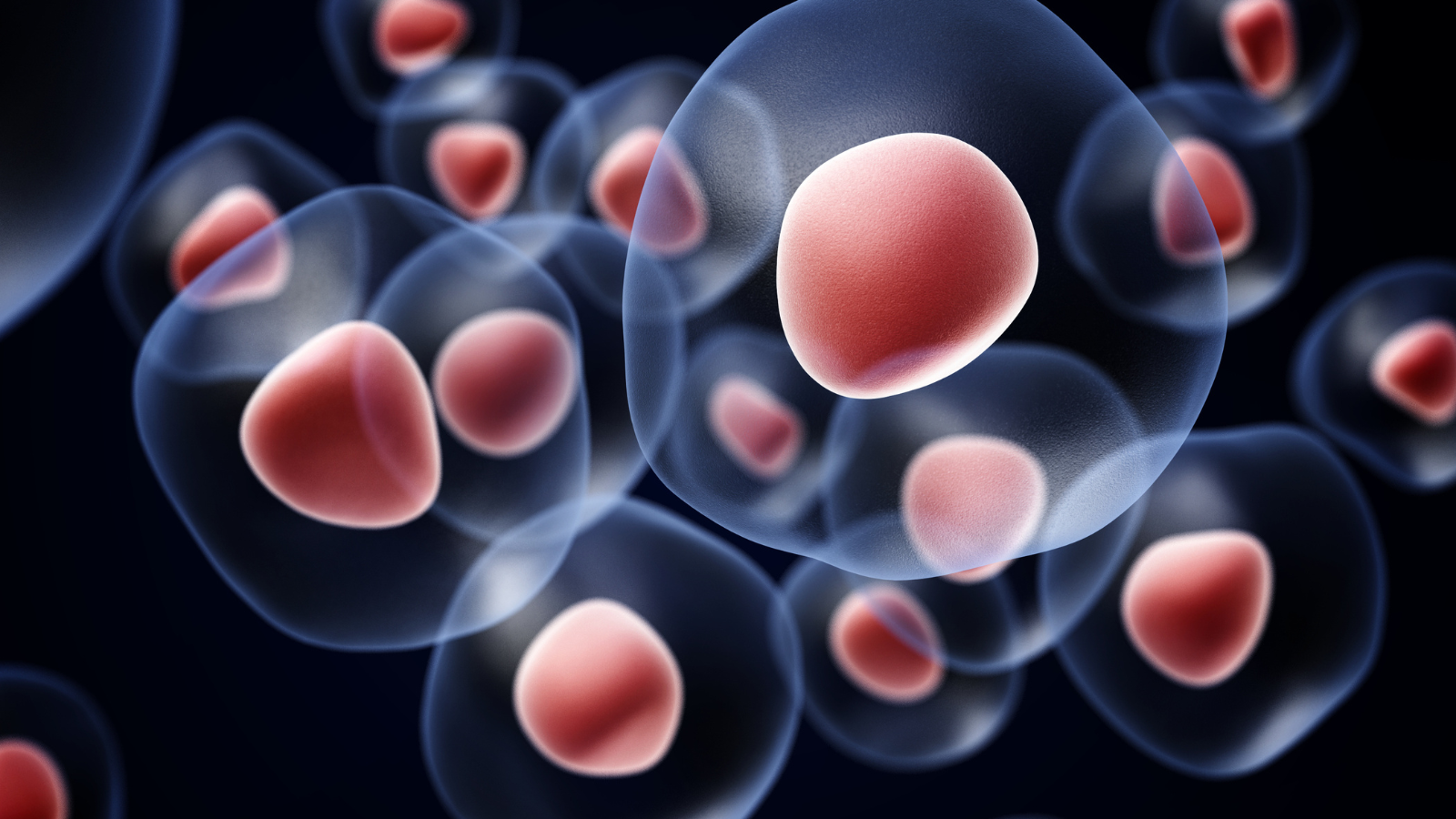
To explain this paradox, researchers led by Professor Dominique Langin at the University of Toulouse’s Institute of Metabolic and Cardiovascular Diseases (I2MC) examined the location of HSL within adipocytes. While the protein is well known for its presence on the surface of lipid droplets, where it breaks down fat, the team made a surprising discovery - HSL is also found inside the nucleus of fat cells.
“In the nucleus of adipocytes, HSL is able to associate with many other proteins and take part in a programme that maintains an optimal amount of adipose tissue and keeps adipocytes healthy,” said Dr Jérémy Dufau, co-author of the study.
The team also found that levels of nuclear HSL are tightly regulated. Adrenaline, which activates HSL on lipid droplets, simultaneously pushes the protein out of the nucleus, a process that naturally occurs during fasting. In obese mice, however, nuclear levels of HSL remain abnormally high, signalling a disruption in this regulatory system.
“HSL has been known since the 1960s as a fat-mobilising enzyme. But we now know it also plays an essential role in the nucleus of adipocytes, where it helps maintain healthy adipose tissue,” Professor Langin said. This newly discovered function helps explain why loss of HSL leads to lipodystrophy and may shed light on broader metabolic disorders, including obesity and related health risks.
Researchers say the discovery underscores the importance of ongoing scientific investigation to improve prevention, treatment and understanding of metabolic diseases.